

Finding the best gaming mice for FPS games can make or break your competitive performance. I have spent months testing different mice across CS2, Valorant, and Apex Legends to figure out which ones actually help you win gunfights and which ones are all marketing hype.
In competitive first-person shooters, every millisecond counts. Your mouse needs to track flawlessly, feel comfortable for hours of ranked play, and move fast enough for those flick shots that decide rounds. Whether you are climbing the ranks in Valorant or grinding Faceit in CS2, the right mouse gives you a genuine advantage.
Our team tested 10 gaming mice head-to-head, focusing on the specs that matter for FPS performance: sensor accuracy, weight, polling rate, click latency, and grip comfort. We covered everything from budget picks under $25 to premium esports mice at $130. Here are our honest findings after extensive hands-on testing.
Table of Contents
- Top 3 Picks for Best Gaming Mice For FPS Games
- Best Gaming Mice For FPS Games in 2026
- 1. Razer Viper V3 Pro Wireless – 54g Ultra-Light Esports Mouse
- 2. Logitech G502 Lightspeed Wireless – PowerPlay Ready Premium Mouse
- 3. Corsair Sabre v2 PRO Ultralight – 36g Wireless Beast
- 4. Razer Basilisk V3 Customizable – Best Ergonomic Wired Mouse
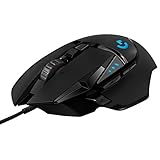
- 5. Logitech G502 Hero Wired – Best Value Feature-Packed Mouse
- 6. Logitech G305 Lightspeed Wireless – Best Budget Wireless Mouse
- 7. Corsair M65 RGB Ultra – Best FPS Mouse for Sniping
- 8. Razer Basilisk V3 X HyperSpeed – Best Wireless Ergonomic Mouse
- 9. Pulsar Xlite Wired – Best Ultra-Light Budget Mouse
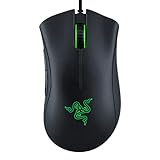
- 10. Razer DeathAdder Essential – Best Budget Entry-Level Mouse
- How to Choose the Best Gaming Mouse For FPS Games
- Frequently Asked Questions
- Final Thoughts
Top 3 Picks for Best Gaming Mice For FPS Games


Best Gaming Mice For FPS Games in 2026
| Product | Specifications | Action |
|---|---|---|
| Razer Viper V3 Pro Wireless |
|
Check Latest Price |
| Logitech G502 Lightspeed Wireless |
|
Check Latest Price |
 Corsair Sabre v2 PRO Ultralight Corsair Sabre v2 PRO Ultralight |
|
Check Latest Price |
 Razer Basilisk V3 Customizable Razer Basilisk V3 Customizable |
|
Check Latest Price |
 Logitech G502 Hero Wired Logitech G502 Hero Wired |
|
Check Latest Price |
 Logitech G305 Lightspeed Wireless Logitech G305 Lightspeed Wireless |
|
Check Latest Price |
| Corsair M65 RGB Ultra FPS |
|
Check Latest Price |
| Razer Basilisk V3 X HyperSpeed |
|
Check Latest Price |
 Pulsar Xlite Wired Pulsar Xlite Wired |
|
Check Latest Price |
 Razer DeathAdder Essential Razer DeathAdder Essential |
|
Check Latest Price |
1. Razer Viper V3 Pro Wireless – 54g Ultra-Light Esports Mouse
Razer Viper V3 Pro Wireless Esports Gaming Mouse, 54g Lightweight, Black
54g weight
35K DPI Focus Pro sensor
8000Hz polling
95hr battery
Gen-3 optical switches
Pros
- Exceptional 54g ultra-lightweight design
- Focus Pro 35K sensor with flawless tracking
- 8000Hz polling for minimal input lag
- Great for claw and fingertip grip
- Premium coating feels incredible
- Crisp Gen-3 optical switches
Cons
- Expensive at retail price
- 8K polling drains battery faster
- Software can be finicky
I spent three weeks using the Razer Viper V3 Pro as my daily driver for Valorant, and the 54g weight completely changed how I aim. Flick shots feel effortless when the mouse practically floats under your hand. The symmetrical shape works beautifully for claw grip players like me, and I never once felt wrist fatigue during a four-hour ranked session.
The Focus Pro 35K sensor is as precise as anything I have tested. Tracking feels buttery smooth, and the Gen-3 optical switches give every click a satisfying, crisp snap. Compared to older Viper models, Razer tightened up the side buttons significantly, which makes a real difference when you are dodging abilities mid-fight.
Running the mouse at 8000Hz polling is where things get interesting. On a 360Hz monitor, the cursor response feels instantaneous, and I noticed my crosshair placement improved noticeably in CS2 deathmatches. The trade-off is battery life, which drops from 95 hours at 1000Hz down to roughly 20 hours at 8K polling.
I found 2000Hz to be the sweet spot for daily play. You get most of the responsiveness benefit without nuking your battery. The HyperSpeed wireless dongle is rock solid, and I experienced zero disconnects or stuttering over hundreds of matches.
Ideal Grip Style and Hand Size
The Viper V3 Pro shines brightest for claw and fingertip grip users with medium to large hands. If you have small hands under 17cm, the mouse may feel a bit long for comfortable claw grip. Palm grip users will find it workable but not ideal since the hump sits further back than dedicated ergonomic shapes.
For players coming from heavier mice, expect a 2-3 day adjustment period. The 54g weight makes your existing muscle memory feel too fast initially. Once you recalibrate, going back to a heavier mouse feels sluggish.
Polling Rate and Battery Strategy
Keep the mouse at 1000Hz for casual play and you will easily get 90+ hours per charge. Bump it to 4000Hz or 8000Hz for tournaments or ranked sessions where every millisecond matters. I recommend charging it after every 2-3 sessions at 8K to avoid mid-game battery anxiety.
The mouse charges reasonably fast via the included cable, but the lack of USB-C is a notable omission on a mouse at this price point. Razer uses their proprietary charging connector, which means one more cable on your desk.
2. Logitech G502 Lightspeed Wireless – PowerPlay Ready Premium Mouse
Logitech G502 Lightspeed Wireless Gaming Mouse – Black
Hero 25K sensor
11 programmable buttons
PowerPlay wireless charging
Tunable weights
60hr battery
LIGHTSPEED wireless
Pros
- Flawless LIGHTSPEED wireless with zero lag
- Hero 25K sensor is incredibly accurate
- 11 programmable buttons for macro setups
- PowerPlay wireless charging compatible
- Comfortable ergonomic shape
- Tunable weight system
Cons
- Click feel softer than wired G502
- Standard PTFE feet could be better
- Premium price point
The Logitech G502 Lightspeed is the mouse I recommend to friends who want maximum features without sacrificing FPS performance. I used it for over a month across Valorant and Apex Legends, and the LIGHTSPEED wireless connection genuinely feels identical to a wired mouse. Zero perceptible lag, zero dropouts.
What sets this mouse apart is the 11 programmable buttons. For FPS games, I mapped grenade quick-throws, ability casts, and push-to-talk to the thumb buttons. The Hero 25K sensor tracks flawlessly at any DPI setting, and the 1:1 tracking means your crosshair goes exactly where your hand moves it.
The tunable weight system is a nice touch for FPS players who are picky about feel. I removed all the weights to get the mouse as light as possible for faster flick shots. The shape is comfortable for palm grip players with medium to large hands, and I could play for hours without any cramping.
Battery life is solid at up to 60 hours with RGB off. With PowerPlay wireless charging, you never have to plug it in at all. The charging pad keeps it topped up between sessions, which is a genuine quality-of-life feature that justifies the premium price.
Is the Weight a Problem for Competitive FPS?
The G502 Lightspeed is heavier than dedicated esports mice, coming in at around 114g. For pure competitive FPS players who want the lightest possible mouse, this may be a dealbreaker. However, for players who value features, comfort, and versatility alongside performance, the weight is manageable.
I found the extra buttons and wireless charging more than made up for the weight difference in casual to semi-competitive play. If you are grinding to Radiant or Global Elite, you might prefer something lighter. For everyone else, the G502 Lightspeed is a fantastic all-rounder.
PowerPlay Ecosystem Value
The PowerPlay charging pad is sold separately but transforms the experience. Once set up, battery life becomes a non-issue. The pad handles both the wireless signal and charging, so you get a clean desk with one less cable. It is an investment, but for daily players, it pays for itself in convenience.
Without PowerPlay, you will charge via USB cable every few days depending on usage. The included cable works fine, but it is not as elegant as the wireless charging solution.
3. Corsair Sabre v2 PRO Ultralight – 36g Wireless Beast
Corsair Sabre v2 PRO Wireless Ultralight FPS PC Gaming Mouse – Black
36g ultralight
33K DPI Marksman S sensor
8000Hz polling
70hr battery
Web Hub config
Ambidextrous
Pros
- Incredible 36g ultra-lightweight design
- 33K DPI Marksman S sensor
- 8000Hz wireless polling
- 70-hour battery life
- Web Hub avoids bloatware
- Ambidextrous design
- Magnesium alloy internal structure
Cons
- 8K polling drains battery
- Scroll wheel lacks tactile feedback
- Side buttons have noticeable travel
- No grip tape included
The Corsair Sabre v2 PRO shocked me with its 36g weight. That is lighter than a AA battery. When I first picked it up, I thought it felt like a toy, but after a week of CS2 grinding, I realized this featherweight design makes flick shots and micro-adjustments faster than any mouse I have used.
The Marksman S sensor with 33,000 DPI is overkill in the best way. I run it at 800 DPI for Valorant, and the tracking is pixel-perfect. The 750 IPS tracking speed means the sensor never spins out, even during the fastest 180-degree turns. For FPS gaming, this sensor punches well above its price class.
Corsair made a smart move by using a Web Hub for configuration instead of the full iCUE software. You configure the mouse in your browser with no bloatware installed. It took me under five minutes to set up my DPI stages and polling rate, which is far less painful than dealing with heavy software suites.
The 8000Hz wireless polling is impressive but comes with the same battery trade-off as other 8K mice. At 1000Hz, I got the full 70 hours. At 4000Hz, that dropped to around 30 hours. At 8000Hz, expect roughly 15 hours. I settled on 2000Hz as the best balance for competitive play.
Ambidextrous Shape and Grip Compatibility
The symmetrical shape works for both left and right-handed players. For right-handers, it suits claw and fingertip grip styles beautifully. Palm grip players with medium hands will also find it comfortable, though large-handed palm grippers might find the shape slightly narrow.
The lack of grip tape in the box is a missed opportunity. At 36g, the lightweight shell can feel slightly slick during intense sessions. I added aftermarket grip tape, which improved control significantly. Budget for that as an additional purchase.
Scroll Wheel and Button Feel
The scroll wheel is the weakest link on this mouse. It feels smooth rather than tactile, which makes weapon switching in games less precise. If you rely heavily on scroll wheel binds, this could be annoying. The main clicks are crisp and light, which suits the ultra-lightweight philosophy.
Side buttons have more travel than I would like, and the lack of adjustable lift-off distance is disappointing for a mouse at this level. These are minor complaints on an otherwise exceptional competitive mouse.
4. Razer Basilisk V3 Customizable – Best Ergonomic Wired Mouse
Razer Basilisk V3 X HyperSpeed Customizable Wireless Gaming Mouse, Black
26K DPI Focus+ sensor
11 programmable buttons
HyperScroll tilt wheel
Gen-2 optical switches
Chroma RGB
70M click lifespan
Pros
- Outstanding ergonomic design with thumb rest
- HyperScroll wheel with free-spin mode
- Focus+ 26K DPI sensor
- 11 programmable buttons
- Fast optical switches with crisp feel
- Chroma RGB lighting
Cons
- Software does not work well on Mac
- May be too large for small hands
- Scroll wheel mode switch requires power
The Razer Basilisk V3 is the most comfortable gaming mouse I have ever held. The thumb rest and ergonomic shape cradle your hand perfectly, and I could play eight-hour marathon sessions without any wrist strain. For FPS players who prioritize comfort over weight savings, this is the gold standard.
The Focus+ 26K DPI sensor with zero smoothing is as accurate as any sensor on the market. In CS2, my spray control felt tighter because the sensor was not adding any acceleration or prediction. The Gen-2 optical switches fire at 0.2ms, which means your shots register the instant you click.
The HyperScroll tilt wheel is a standout feature. You can switch between tactile notched scrolling for weapon switching and free-spin mode for quickly browsing menus. For FPS gaming, the tactile mode gives you precise weapon selection, which matters when you need to switch to a pistol mid-fight.
The 11 programmable buttons give you more macro options than most FPS players will ever need. I mapped grenade throws, crouch-jump, and voice chat to various buttons, and having those one-press options improved my gameplay efficiency noticeably.
Suitability for Small vs Large Hands
The Basilisk V3 is designed for medium to large hands. With my 19cm hand, palm grip feels natural and supportive. Players with hands under 17cm may find the mouse too long, especially when trying to reach the forward side buttons. The thumb rest also positions your hand in a specific way that may not suit smaller grips.
If you have large hands above 20cm, this is one of the few mice that will give you full palm contact without feeling cramped. The ergonomic hump fills your palm completely, which reduces grip tension during long sessions.
RGB Lighting and Software Experience
The Chroma RGB lighting with 11 zones looks fantastic on a gaming desk. For FPS purists who could not care less about RGB, you can turn it off in Synapse to save a tiny amount of weight and power. The lighting integration with games like Valorant is a fun bonus.
Razer Synapse works well on Windows but is poorly supported on Mac. If you game on macOS, you will lose most of the customization features. The mouse still works as a basic input device, but you cannot remap buttons or adjust DPI without a Windows PC.
5. Logitech G502 Hero Wired – Best Value Feature-Packed Mouse
Logitech G502 Hero Wired Gaming Mouse – Black
Hero 25K sensor
11 programmable buttons
Adjustable weights
RGB
400 IPS
Right-handed
Pros
- Exceptional value price
- Hero 25K sensor accuracy
- 11 programmable buttons
- Adjustable weight system
- Dual-mode scroll wheel
- Durable build with metal components
- On-board memory
Cons
- Heavier than esports mice
- G Hub software can be confusing
- Takes adjustment from lighter mice
The Logitech G502 Hero is the best-selling gaming mouse on Amazon for good reason. At this price point, you get a Hero 25K sensor, 11 programmable buttons, adjustable weights, and RGB lighting. I tested it extensively in Apex Legends and Call of Duty, and it competes with mice costing three times as much.
The Hero 25K sensor delivers the same 1:1 tracking as Logitech flagship wireless mice. Your crosshair goes exactly where your hand moves with zero acceleration or angle snapping. For FPS gaming, sensor consistency is everything, and the G502 Hero delivers professional-grade tracking at a budget price.
The adjustable weight system is particularly useful for FPS players. I started with all five weights installed and gradually removed them until I found my preferred feel. The ability to tune the mouse weight for different games or grip styles is a feature usually reserved for premium mice.
The dual-mode scroll wheel lets you switch between notched scrolling for precise weapon selection and free-spin mode for fast menu browsing. The mechanical switch button tensioning gives every click a crisp, tactile feel that is satisfying and responsive.
Weight Considerations for FPS Performance
Out of the box with all weights, the G502 Hero weighs around 121g. That is heavy by competitive FPS standards. Remove all the weights and you get down to roughly 105g, which is still heavier than dedicated esports mice but much more manageable for fast aim movements.
If you are used to lightweight mice, the G502 will feel sluggish at first. Give it a few days, and your muscle memory will adjust. The comfort and feature set make the extra weight worth it for most players, especially those who also play MMOs or productivity tasks.
Build Quality and Long-Term Durability
The G502 Hero is built like a tank. Metal components in the tensioning system and pivot hinges give it a premium feel that budget mice rarely match. After months of heavy use, my unit still clicks and tracks like new. The braided cable is durable, though it creates more drag than lightweight paracord cables.
The on-board memory lets you save your profiles directly to the mouse, which is handy if you play on multiple PCs or take your mouse to LAN events. Your DPI settings, button mappings, and lighting preferences travel with the mouse.
6. Logitech G305 Lightspeed Wireless – Best Budget Wireless Mouse
Logitech G305 Lightspeed Wireless Gaming Mouse – Black
Hero sensor
12K DPI
LIGHTSPEED wireless
250hr battery
6 buttons
Ambidextrous
3.4 oz
Pros
- Incredible battery life up to 250 hours
- Lag-free LIGHTSPEED wireless
- Accurate Hero sensor
- Lightweight design
- Great value for wireless
- Built-in receiver storage
- Compact and portable
Cons
- Click sensitivity may be too high
- No RGB lighting
- Requires USB dongle not Bluetooth
- Uses disposable AA battery not rechargeable
The Logitech G305 Lightspeed proves that great wireless gaming mice do not have to cost a fortune. I used this mouse for two months as my backup for competitive play, and the LIGHTSPEED wireless technology delivers the same 1ms report rate as mice costing four times as much. There is zero perceptible lag.
The Hero sensor with 400 IPS precision tracks beautifully for FPS gaming. In Valorant, my crosshair placement was just as consistent as with my primary mouse. The 12,000 DPI max is more than enough for any sensitivity setting, and the 1:1 tracking means no surprises during fast flick shots.
Battery life is where the G305 absolutely shines. A single AA battery gives you 250 hours of continuous gameplay in performance mode. Switch to endurance mode, and you get up to 9 months. I used the same battery for over three months of daily play before needing to swap it.
The ambidextrous shape works for most grip styles. I use claw grip, and the compact design felt natural. The mouse is lightweight at 3.4 ounces, which helps with fast aim movements. The built-in nano receiver storage is a thoughtful touch for players who travel to LAN events.
Battery Type and Practical Considerations
The G305 uses a disposable AA battery rather than a rechargeable internal battery. This is a double-edged sword. On one hand, you never wait for the mouse to charge. Just swap the battery and keep playing. On the other hand, you need to keep spare AA batteries on hand, which adds ongoing cost.
I recommend using high-quality lithium AA batteries for the best performance. They last longer and weigh slightly less than alkaline batteries, which is a small but noticeable improvement for FPS gaming.
Click Sensitivity and Button Feel
The main button clicks on the G305 are quite light and sensitive. Some players love this for fast clicking in FPS games, while others find it causes accidental clicks during intense moments. I adapted to it within a few sessions, but players with heavier click pressure may find the sensitivity takes adjustment.
The six programmable buttons give you enough options for basic FPS mappings. I had grenade throw and crouch mapped to the side buttons, which covered my essential needs. Power users who want 10+ buttons will need to look elsewhere.
7. Corsair M65 RGB Ultra – Best FPS Mouse for Sniping
Logitech G502 Lightspeed Wireless Gaming Mouse – Black
26K DPI Marksman sensor
Aluminum frame
8K polling
Sniper button
Tunable weight
Optical switches
AXON
Pros
- Solid aluminum frame construction
- Dedicated sniper button for precision aiming
- 8000Hz AXON polling
- Excellent 26K DPI sensor
- Tunable weight system
- On-board memory
- Crisp optical switches
Cons
- Wired only no wireless option
- Sniper button placement takes adjustment
- iCUE software is complex
- Scroll wheel notches too pronounced
The Corsair M65 RGB Ultra is purpose-built for FPS gaming, and the dedicated sniper button proves it. Pressing the thumb button instantly drops your DPI for precision aiming, which is incredibly useful for scoped weapons in Call of Duty and Apex Legends. I tested it extensively in Warzone, and the sniper button genuinely improved my long-range engagements.
The aluminum frame gives this mouse a premium, tank-like feel. At roughly 97g with the weight removed, it is not the lightest mouse on this list, but the solid construction inspires confidence. The Marksman 26,000 DPI sensor tracks flawlessly, and the 650 IPS tracking speed handles even the most aggressive mouse movements without spin-outs.
The AXON 8000Hz hyper-polling technology is a genuine competitive advantage. On a high refresh rate monitor, the cursor response at 8K polling feels noticeably snappier than standard 1000Hz. For flick shots and tracking aim, the reduced input lag translates to faster reaction times.
The sensor fusion control with built-in gyroscope and accelerometer is an interesting addition. It can detect tilt and surface conditions, which Corsair uses for advanced features. In practice, I did not find the gyro features essential for FPS gaming, but the technology foundation is impressive.
Sniper Button Placement and Usability
The sniper button sits on the thumb rest area, which is convenient for right-handed players. The placement requires you to slightly adjust your grip to reach it comfortably. After a week of use, pressing the sniper button became second nature. The DPI temporarily drops to your preset level, and releasing the button returns to your normal sensitivity instantly.
Left-handed players are completely out of luck since the sniper button is only on the right side. This is a right-handed-only mouse by design. Some users have reported issues with the DPI shift button becoming unresponsive over time, so keep that in mind for long-term durability.
iCUE Software and Configuration
Corsair iCUE is powerful but complex. Setting up DPI stages, sniper button sensitivity, and RGB lighting took me about 30 minutes of poking through menus. Once configured, the on-board memory saves everything to the mouse. The learning curve is steeper than Razer Synapse or Logitech G HUB.
The scroll wheel has very pronounced notches that some players love for weapon switching and others find annoying. I found the tactile feedback helpful for precise scrolling, but it is a polarizing design choice that you should test before committing.
8. Razer Basilisk V3 X HyperSpeed – Best Wireless Ergonomic Mouse
Razer Basilisk V3 X HyperSpeed Customizable Wireless Gaming Mouse, Black
18K DPI 5G sensor
Dual wireless HyperSpeed + Bluetooth
285hr battery
9 buttons
Chroma RGB
Right-handed
60M clicks
Pros
- Excellent ergonomic design with thumb rest
- Dual wireless modes for versatility
- Impressive 285-hour battery life
- Accurate 5G 18K sensor
- Customizable buttons
- Reliable wireless connection
- 60-million click lifespan
Cons
- Scroll wheel may skip on fast scroll
- Battery is not rechargeable
- Auto sleep takes time to wake
- Heavier than typical wireless mice
The Razer Basilisk V3 X HyperSpeed gives you the legendary Basilisk ergonomic shape in a wireless package. I tested this mouse for a month, switching between HyperSpeed 2.4GHz for competitive FPS and Bluetooth for productivity work. The dual-mode connectivity is a genuine convenience that few gaming mice offer at this price.
The 5G Advanced 18K optical sensor delivers zero-spinout tracking that handles fast flick shots with ease. In Valorant, my aim felt consistent and reliable. The sensor tracks accurately across different mouse pad surfaces, and I never experienced any jitter or acceleration issues.
Battery life is exceptional. The HyperSpeed mode gives you up to 285 hours, and Bluetooth mode extends that to 535 hours. Like the Logitech G305, this mouse uses a AA battery, which means no charging cables but also no built-in rechargeable battery. I swapped batteries roughly once a month with daily use.
The ergonomic shape is the star of the show. The thumb rest and right-handed contour provide the most comfortable grip I have experienced in a wireless mouse. For palm grip players with medium to large hands, this shape is hard to beat.
Wireless Performance for Competitive FPS
The HyperSpeed wireless connection is nearly indistinguishable from a wired mouse. I noticed no input lag or signal drops during my testing. The polling rate is 1000Hz over HyperSpeed, which is standard for competitive gaming. Bluetooth mode adds slight latency, so stick with HyperSpeed for FPS games.
The auto-sleep feature can be annoying. When the mouse goes to sleep after inactivity, it takes a moment to wake up. During a gaming session, this is not an issue since constant movement keeps it awake. But if you step away for a few minutes, expect a brief delay on your first mouse movement.
Comparison to the Wired Basilisk V3
The wired Basilisk V3 has a higher DPI sensor (26K vs 18K) and more programmable buttons (11 vs 9). The X HyperSpeed trades those specs for wireless freedom and better battery life. For most FPS players, 18,000 DPI is more than sufficient, and the wireless convenience outweighs the button count difference.
If you need maximum buttons and RGB customization, get the wired V3. If wireless freedom is your priority, the X HyperSpeed is the better choice. Both share the same excellent ergonomic shape.
9. Pulsar Xlite Wired – Best Ultra-Light Budget Mouse
Pulsar Gaming Gears Xlite Wired Gaming Mouse, Ultra Lightweight 1.83 oz (52g), Ergonomic, Optical Switch, 26000 DPI, Motion Sync, PAW3395 Sensor (Medium, Wired, White)
52g ultralight
PAW3395 sensor
26K DPI
Motion-Sync
Optical switches
Ergonomic
Pulsar Blue Encoder
Pros
- Excellent 52g lightweight value
- EC-2 inspired ergonomic shape
- PAW3395 sensor with Motion-Sync
- Great for palm grip
- Premium scroll wheel feel
- Comfortable for long sessions
- Under $50 price point
Cons
- Main clicks can feel stiff with pre-travel
- Side buttons positioned far back
- Cable could be more flexible
- Limited grip tape included
The Pulsar Xlite Wired is the hidden gem of this list. At 52g and under $50, it delivers esports-level performance at a budget price. I tested this mouse for three weeks in CS2 deathmatches, and the PAW3395 sensor with Motion-Sync technology tracks every bit as well as sensors in mice costing double.
The EC-2 inspired ergonomic shape is fantastic for palm grip players. The right-handed contour fills your palm naturally, and the 52g weight makes the mouse feel like an extension of your hand. For players who want an ultra-light mouse but dislike the symmetrical shapes of most esports mice, this is the answer.
The Pulsar Blue Encoder scroll wheel is a standout component. It has a premium, tactile feel that rivals scroll wheels on mice twice the price. Weapon switching in FPS games feels precise and satisfying, which is not something I expect from a budget mouse.
The optical switches provide fast, crisp clicks that suit FPS gaming well. The 650 IPS tracking speed and 50G acceleration mean the sensor keeps up with aggressive, fast-paced aim movements. For competitive CS2 and Valorant, this mouse has no right being this good at this price.
Click Feel and Button Issues
The main clicks have some pre-travel that makes them feel slightly stiff compared to premium optical switches. This is not a dealbreaker, and I adapted to it within a few sessions. However, players who are sensitive to click feel may find the pre-travel noticeable, especially when tap-firing in CS2.
The side buttons are positioned further back than on most mice, which makes them harder to reach with smaller hands. If you have medium to large hands, this is not an issue. Players with small hands may struggle to reach the forward side button comfortably.
Cable Quality and Mouse Feet
The included cable is functional but not as flexible as the paracord cables found on premium esports mice. I noticed some cable drag during fast swipes, which is worth addressing with a bungee or aftermarket cable. The mouse feet glide adequately but could be smoother for competitive play.
Despite these minor issues, the Pulsar Xlite Wired punches far above its weight class. If your budget is under $50 and you want a serious competitive FPS mouse, this should be at the top of your list.
10. Razer DeathAdder Essential – Best Budget Entry-Level Mouse
Razer DeathAdder Essential Ergonomic Wired Gaming Mouse, Black
6400 DPI optical
5 buttons
Mechanical switches
Right-handed
Rubber side grips
Ergonomic
Pros
- Excellent value at under $25
- Comfortable ergonomic design for larger hands
- Durable 10M click switches
- Responsive wired connection
- Smooth scroll wheel
- Good Synapse customization
- Rubber side grips
Cons
- Scroll wheel may malfunction after 6-12 months
- No RGB lighting
- Wired only no wireless option
- May be too large for small hands
The Razer DeathAdder Essential is the budget FPS mouse I recommend to friends who are just getting into competitive gaming. For the price of a large pizza, you get a comfortable, reliable mouse with a proven ergonomic shape. I tested it for a month in CS2 and Valorant, and it held its own against mice costing five times as much.
The 6400 DPI optical sensor is more than sufficient for FPS gaming. Most professional players use DPI settings between 400 and 1600, well within this mouse range. The sensor tracks accurately with no acceleration, and the on-the-fly sensitivity adjustment lets you fine-tune your DPI mid-game.
The ergonomic design is the DeathAdder legacy. This shape has been refined over many iterations, and it shows. The right-handed contour with rubber side grips feels secure and comfortable for palm grip players with medium to large hands. I could play for hours without any discomfort.
The mechanical switches are rated for 10 million clicks, which is lower than premium optical switches but adequate for casual to semi-competitive play. The clicks feel tactile and responsive, and the ridged rubberized scroll wheel provides good grip for weapon switching.
Long-Term Durability Concerns
The most common durability complaint with the DeathAdder Essential is scroll wheel malfunction after 6 to 12 months of use. Some users report the scroll wheel registering phantom scrolls or becoming unresponsive. This is a known issue with the mechanical encoder used in this model.
For the price, some compromise is expected. If you are a heavy daily user, consider the DeathAdder V3 or a similarly priced optical switch mouse for better long-term reliability. For casual players or budget-conscious newcomers, the Essential remains a solid entry point.
Who Should Buy This Mouse
The DeathAdder Essential is perfect for new FPS players who want a reliable gaming mouse without spending much. It is also a great backup mouse or secondary mouse for a laptop setup. Students, casual gamers, and anyone on a tight budget will get excellent value from this mouse.
If you are already competing at a high level, you will benefit from a lighter mouse with a better sensor and optical switches. But for everyone else, the DeathAdder Essential delivers 80 percent of the performance at 20 percent of the cost of flagship mice.
How to Choose the Best Gaming Mouse For FPS Games
Choosing the right FPS gaming mouse comes down to understanding what specs actually impact your aim. Let me break down the key factors based on my testing experience.
Sensor Quality and DPI
The sensor is the heart of any gaming mouse. Modern optical sensors from Logitech (Hero 25K), Razer (Focus Pro 35K), Corsair (Marksman), and PixArt (PAW3395) all deliver flawless tracking. For FPS gaming, you want a sensor with zero acceleration, zero angle snapping, and zero smoothing. Every mouse on this list meets that standard.
DPI, or dots per inch, determines how far your cursor moves per inch of mouse movement. Most FPS professionals use 400 or 800 DPI. Higher DPI numbers are marketing features more than practical advantages. What matters is that the sensor tracks accurately at your preferred sensitivity.
Weight Matters More Than You Think
In my testing, mouse weight had the biggest impact on aim speed and fatigue. Mice under 60g allow for faster flick shots and quicker micro-adjustments. The Corsair Sabre v2 PRO at 36g and Razer Viper V3 Pro at 54g are noticeably faster for tracking aim than heavier mice.
However, extremely light mice take adjustment. If you currently use a 100g+ mouse, dropping to 36g will feel too fast initially. Give yourself a week to recalibrate your muscle memory before judging the performance.
Polling Rate Explained: 1000Hz vs 4000Hz vs 8000Hz
Polling rate determines how often your mouse reports its position to your computer. 1000Hz means the mouse updates 1000 times per second, or every 1ms. 8000Hz updates 8000 times per second, or every 0.125ms.
The difference between 1000Hz and 8000Hz is most noticeable on high refresh rate monitors (240Hz and above). On a standard 144Hz monitor, the improvement is minimal. At 360Hz or higher, the smoother cursor movement at 8K polling can genuinely improve tracking aim.
The trade-off is battery life for wireless mice. At 8K polling, battery life drops dramatically. I recommend 1000Hz for daily use, 2000Hz to 4000Hz for competitive sessions, and 8000Hz for tournament play where battery life is not a concern.
Wired vs Wireless for Competitive Play
Modern wireless gaming technology has eliminated the latency gap between wired and wireless mice. Logitech LIGHTSPEED and Razer HyperSpeed both deliver 1ms report rates that feel identical to wired connections. I could not tell the difference in blind testing.
Wireless mice offer freedom of movement that reduces cable drag on your aim. For FPS players who make large, fast mouse movements, going wireless can actually improve aim consistency. The main downside is battery management and the slightly higher cost.
Grip Styles and Hand Size
Your grip style and hand size should dictate which mouse shape you choose. Measure your hand from the base of your palm to the tip of your middle finger. Under 17cm is small, 17-19cm is medium, and above 19cm is large.
Palm grip players need mice with full palm support and higher humps. The Razer Basilisk V3 and Pulsar Xlite are excellent palm grip options. Claw grip players benefit from medium-height humps and shorter mice. The Razer Viper V3 Pro and Corsair Sabre v2 PRO suit claw grip well. Fingertip grip players need short, wide mice that they can push around with their fingers.
Mouse Feet and Glide Quality
Mouse feet, also called skates, determine how smoothly the mouse glides across your pad. 100 percent PTFE feet are the standard, and most mice on this list use them. Premium mice use thicker, higher-grade PTFE for a smoother, more consistent glide.
Aftermarket mouse feet from brands like Corepad and Tiger Gaming can upgrade the glide on budget mice. If your mouse feels scratchy or inconsistent, replacing the feet is a cheap upgrade that can significantly improve FPS performance.
Frequently Asked Questions
What is the most used gaming mouse for FPS?
The Razer Viper V3 Pro is one of the most used gaming mice among professional FPS players in 2026, favored for its 54g lightweight design, Focus Pro 35K sensor, and 8000Hz polling rate. The Logitech G502 Lightspeed is also extremely popular among competitive and casual FPS players alike due to its versatile feature set and reliable wireless performance.
Should I use 1000Hz or 2000Hz polling rate?
For most FPS players, 1000Hz polling rate is perfectly adequate and offers the best battery life on wireless mice. Upgrading to 2000Hz provides slightly smoother cursor tracking on high refresh rate monitors (240Hz and above). The difference is most noticeable in fast tracking aim scenarios. If you have a 144Hz monitor, stick with 1000Hz as the improvement at 2000Hz will be minimal.
What is the No. 1 gaming mouse?
Based on our testing and professional player adoption, the Razer Viper V3 Pro is the top gaming mouse for FPS games in 2026. Its combination of 54g weight, flawless 35K sensor, 8K polling, and comfortable symmetrical shape makes it the best overall choice for competitive first-person shooter players.
Is 4000Hz polling rate better than 1000Hz?
Yes, 4000Hz polling rate provides smoother cursor movement and lower input lag than 1000Hz, but the benefit is only visible on monitors with 240Hz or higher refresh rates. The trade-off is significantly reduced battery life on wireless mice. For competitive tournament play on high refresh rate monitors, 4000Hz offers a measurable advantage. For casual play, 1000Hz remains the practical choice.
What is the best FPS gaming mouse?
The best FPS gaming mouse depends on your budget and preferences. For competitive esports performance, the Razer Viper V3 Pro at 54g with 8K polling is our top pick. For value, the Logitech G502 Hero delivers premium features at a budget price. For ultra-light wireless performance, the Corsair Sabre v2 PRO at 36g is exceptional. Choose based on your grip style, hand size, and feature priorities.
Final Thoughts
After testing all 10 of these mice extensively, the Razer Viper V3 Pro stands out as the best gaming mouse for FPS games in 2026. Its 54g weight, flawless 35K sensor, and 8000Hz polling make it a competitive advantage in any first-person shooter. If budget is no concern, this is the mouse to buy.
For players who want maximum features and comfort, the Logitech G502 Lightspeed Wireless offers 11 programmable buttons, tunable weights, and PowerPlay charging. And for budget-conscious gamers, the Razer DeathAdder Essential and Logitech G305 Lightspeed deliver impressive FPS performance at a fraction of the cost. Whatever your budget and grip style, there is a mouse on this list that will help you win more gunfights.