
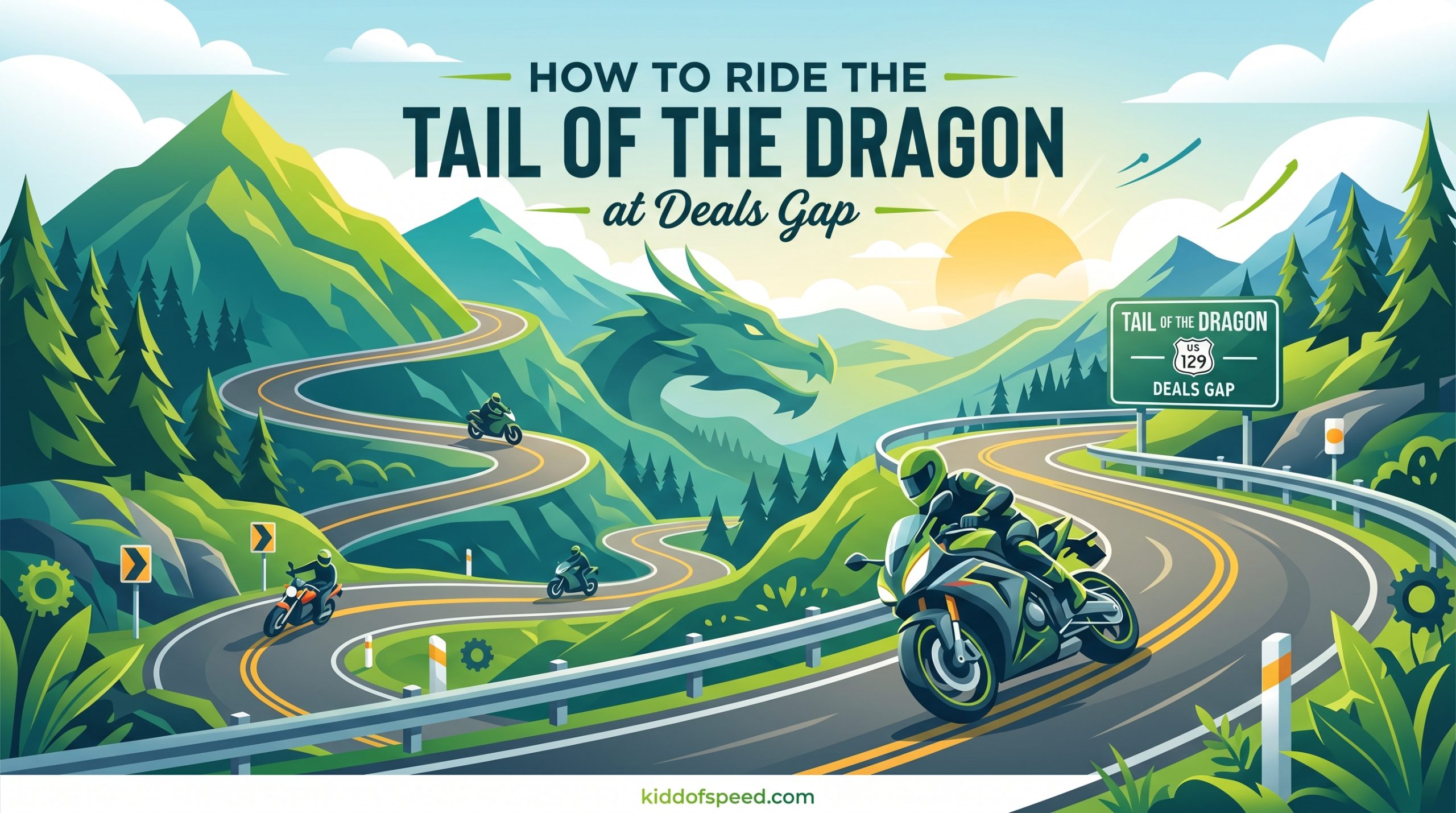
Riding the Tail of the Dragon at Deals Gap is a dream experience for motorcyclists and driving enthusiasts seeking one of America’s most challenging roads. This legendary 11-mile stretch of US Highway 129 features 318 curves along the North Carolina-Tennessee border, winding through the Cherokee National Forest and Great Smoky Mountains. Whether you’re a first-time rider or returning to test your skills, understanding how to ride the Dragon safely is essential for an enjoyable experience.
The Dragon’s reputation attracts riders from around the world, but its technical demands require respect, preparation, and proper etiquette. With decreasing radius turns, elevation changes, and minimal margin for error, knowing how to ride the Tail of the Dragon at Deals Gap means balancing challenge with safety. This guide will equip you with everything needed to navigate this famous route confidently.
Table of Contents
- What is the Tail of the Dragon?
- Essential Rules for Riding the Dragon
- How to Prepare for Your First Dragon Ride
- Dragon Riding Techniques: Step-by-Step Guide
- Common Mistakes to Avoid on the Dragon
- Dragon Etiquette: Respecting the Community
- What to Expect: First-Timer Reality Check
- Best Times to Ride the Dragon
- Nearby Attractions and Alternative Routes
- Is there a fee to drive the Tail of the Dragon?
- How many people crash on the Tail of the Dragon each year?
- Where is Deals Gap Dragon Tail?
- Can a beginner ride Tail of the Dragon?
- How long does it take to ride the Dragon?
- What is the speed limit on Tail of the Dragon?
- When is the best time to ride Tail of the Dragon?
- What should I bring to ride the Dragon?
- Are there services on Tail of the Dragon?
- How dangerous is Tail of the Dragon?
- Conclusion: Making the Most of Your Dragon Experience
What is the Tail of the Dragon?
The Tail of the Dragon is a world-renowned motorcycle and sports car destination located at Deals Gap on US 129. The route begins in Graham County, North Carolina and ends in Blount County, Tennessee, carving through 11 miles of challenging mountain terrain. What makes the Dragon famous is its concentration of 318 curves—including hairpin turns, switchbacks, and decreasing radius corners—that demand precise throttle control, proper braking techniques, and focused line selection.
The Dragon’s elevation changes add another layer of complexity, with uphill sections requiring smooth power delivery and downhill sections testing your braking discipline. The road’s design follows an old Indian trail through the mountains, creating a natural technical challenge that has made it a bucket-list destination for riders across the globe. No fee is required to ride the Dragon—it’s a public highway open year-round, weather permitting.
Essential Rules for Riding the Dragon
Before attempting the Dragon, memorize these non-negotiable safety rules. The riding community and local law enforcement emphasize these principles for good reason—they save lives and preserve access to this special road.
#1 – STAY IN YOUR LANE
Crossing the center line is the single biggest cause of Dragon accidents. Never, under any circumstance, cross the double yellow line. Oncoming traffic appears quickly around blind curves, and there’s nowhere to go. The margin for error is zero. If you’re tempted to straighten a curve by crossing, you’re riding too fast for your skill level. Stay in your lane, period.
#2 – USE PULL OFFS
The Dragon features numerous pull-off areas designed specifically for slower traffic or those wanting to let faster riders pass. If you notice vehicles stacking up behind you, signal and use the next pull-off to let them by. This isn’t about ego—it’s about safety. Holding up faster riders creates frustration and risky passing attempts. Pulling off takes seconds and makes the experience safer for everyone.
#3 – RIDE AT YOUR SKILL LEVEL
The Dragon challenges every rider differently, and there’s no shame in taking it slow. Ride your own ride, ignoring pressure from others. Someone is always faster, and trying to keep up beyond your abilities leads to mistakes. If you’re new to technical riding, the Dragon will feel overwhelming at first—that’s normal. Focus on smooth inputs and proper technique rather than speed.
#4 – CARELESS DRIVING IS NOT WELCOME
Reckless behavior endangers everyone and threatens access to the Dragon. Law enforcement patrols the route regularly, and they have zero tolerance for crossing the center line, excessive speed, or aggressive riding. Respect the road, respect other users, and ride within your limits. The Dragon will be here for future generations if we demonstrate responsible use.
How to Prepare for Your First Dragon Ride
Proper preparation makes the difference between an exhilarating experience and a stressful ordeal. Taking time to prepare ensures you can focus on enjoying the ride rather than worrying about mistakes.
Assess Your Riding Skills Honestly
The Dragon is not suitable for novice riders. You should be comfortable with cornering, braking, and throttle control before attempting it. Practice on less technical roads to build confidence. If you’ve recently completed a motorcycle safety course, get more experience before tackling the Dragon. Ideal preparation includes 3,000+ miles of riding experience and comfort with mountain roads.
Check Your Equipment
Your motorcycle should be in excellent mechanical condition. Tires are critical—ensure they have plenty of tread and proper inflation. Brake pads should be fresh, and all fluids should be topped off. Test your brakes and controls before starting the Dragon. Sportbikes, sport-tourers, and adventure bikes handle the Dragon well, but any properly maintained motorcycle can complete the route safely.
Wear Proper Safety Gear
ATGATT (All The Gear All The Time) applies doubly on the Dragon. A helmet, jacket, gloves, pants, and boots are minimum requirements. Consider a back protector and armored gear for added protection. The Dragon’s pavement is unforgiving, and proper gear significantly reduces injury risk. Dress in layers—mountain weather changes quickly, and you’ll generate heat during technical riding.
Choose the Right Time
Timing dramatically affects your Dragon experience. Weekday mornings (before 10 AM) offer the lightest traffic and most relaxed riding. Avoid weekends if possible—Saturday and Sunday draw heavy crowds, including aggressive riders and inexperienced tourists alike. Spring and fall provide ideal temperatures, but be aware of seasonal weather patterns. Early summer weekdays strike the best balance between conditions and traffic.
Dragon Riding Techniques: Step-by-Step Guide
The Dragon’s technical nature rewards smooth, deliberate inputs. Rushing leads to mistakes. Follow these techniques for a safe, enjoyable ride.
Step 1: Approach Each Curve With a Plan
Look through the turn to where you want to go, not at the edge of the road. Your bike goes where your eyes look. Scan ahead for the curve’s exit, elevation changes, and potential hazards. Before entering any curve, your braking should be complete. Trail braking (braking while leaned over) is an advanced technique not suitable for most Dragon riders.
Step 2: Set Your Corner Speed
Enter curves slower than you think necessary. It’s always easier to accelerate out than it is to scrub off excess speed mid-corner. Choose a line that allows you to see through the turn—typically a late apex on the Dragon’s decreasing radius corners. If you can’t see the exit, slow down. Remember: you can always speed up on the next pass.
Step 3: Maintain Smooth Throttle Control
Once leaned over, maintain steady or slightly increasing throttle. Sudden throttle changes upset chassis balance. Roll on the throttle smoothly as you pass the apex and stand the bike up. Avoid chopping the throttle mid-corner—this causes the bike to tighten its line and can lead to panic situations. Think “smooth” with every input.
Step 4: Use Your Rhythm, Not Someone Else’s
Every rider has their own pace. Don’t let faster riders dictate your speed. If someone is behind you, signal and use a pull-off to let them pass. There’s no shame in taking your time—many experienced Dragon riders prefer a relaxed pace that allows them to enjoy the scenery and focus on technique. Your pace should feel controlled, not frantic.
Step 5: Manage Fatigue
The Dragon’s 318 curves in 11 miles are physically and mentally demanding. Most riders take 20-30 minutes to complete one run. If you feel tired, your reaction times slow and mistakes increase. Take breaks between runs, hydrate, and rest when fatigued. Quality rides beat quantity—three focused runs are better than five exhausted ones.
Common Mistakes to Avoid on the Dragon
Learning from others’ mistakes helps you avoid them. These are the most common errors that lead to problems on the Dragon.
Riding Above Your Skill Level
The biggest mistake is letting ego or peer pressure push you beyond your abilities. The Dragon attracts riders of all skill levels, and someone is always faster. Trying to keep up with faster riders leads to rushed inputs, late braking, and poor line choices. Ride your own ride, ignoring what others are doing. The Dragon will be here tomorrow—build up to faster speeds gradually.
Braking in Corners
Braking while leaned over is an advanced technique that most riders shouldn’t attempt on the Dragon. All braking should happen before you enter a curve. If you enter a turn too hot, trust your lean angle and look through the exit. Grabbing the brakes mid-corner stands the bike up and narrows your turning radius—exactly what you don’t want. Enter slower than you think necessary.
Not Using Pull-Offs
Failing to let faster traffic pass creates dangerous situations. Frustrated drivers make risky decisions. If you’re holding up traffic, use a pull-off at the next safe opportunity. It takes seconds and dramatically reduces risk. The pull-offs are there for this exact purpose—use them liberally.
Ignoring Tire Condition
Worn tires dramatically reduce grip on the Dragon’s demanding pavement. Check your tread depth and tire pressure before riding. Cold tires have less grip, so take it easy for the first few miles until your rubber warms up. If your tires are near the wear bars, replace them before attempting the Dragon. Good tires are your primary safety system.
Rushing the Experience
Many riders try to knock out multiple Dragon runs back-to-back, leading to fatigue and sloppy technique. Take your time, enjoy the scenery, and focus on quality over quantity. The Dragon isn’t going anywhere, and there’s no prize for completing it quickly. One focused, smooth run is worth five rushed, chaotic attempts.
Dragon Etiquette: Respecting the Community
The Dragon has its own culture, built on mutual respect and courtesy. Following proper etiquette ensures everyone enjoys their experience.
Slower Traffic Pull Over
If vehicles accumulate behind you, signal and use the next pull-off. This isn’t admitting weakness—it’s demonstrating consideration for others. Faster riders and drivers appreciate the courtesy, and it reduces the temptation for risky passing maneuvers. The pull-offs are frequent and clearly marked—use them.
Passing Etiquette
Only pass when it’s legal and safe. Never cross the double yellow line. If you’re stuck behind slower traffic, wait for a designated passing zone or a pull-off. Flashing your lights or tailgating doesn’t make people go faster—it just creates stress. Relax and enjoy the ride at the pace set by the leader.
Respect All Road Users
The Dragon welcomes motorcycles, sports cars, RVs, and bicycles. Everyone deserves courtesy and space. Give bicycles extra room when passing—they have every right to be there. Be patient with RVs and tow vehicles using pull-offs. The Dragon community thrives on mutual respect.
Minimize Noise
Loud pipes may save lives, but excessive noise threatens the Dragon’s future. Nearby residents and businesses support the riding community—return the favor by keeping noise reasonable, especially near populated areas. Revving your engine at the Tree of Shame or Deal’s Gap Resort doesn’t impress anyone.
What to Expect: First-Timer Reality Check
Knowing what to expect reduces anxiety and helps you prepare mentally. Here’s the reality of a first Dragon run.
The Dragon feels more technical than photos or videos suggest. Elevation changes create blind corners that hide the exit until you’re committed. Decreasing radius turns tighten mid-corner, requiring constant adjustments. Physical fatigue sets in faster than expected—constant cornering demands focus and energy.
Your first run will likely feel overwhelming. That’s normal. Most experienced Dragon riders remember their first attempt as a white-knuckle experience. Focus on completing the route safely, not setting speed records. Each subsequent run feels more natural as you learn the curves and build confidence.
Don’t be surprised if other riders pass you. The Dragon attracts world-class racers and touring riders alike. Let them go—ride your pace. There’s no shame in taking 30 minutes to complete 11 miles. In fact, slower speeds often reveal scenery and details that faster riders miss.
Physical demands include sore wrists, tired legs, and mental exhaustion. The Dragon works your core, grip strength, and concentration. Take breaks between runs, stretch, and hydrate. Quality practice beats quantity—three focused runs beat five exhausted ones.
Best Times to Ride the Dragon
Timing significantly impacts your Dragon experience. Choose wisely based on your priorities.
Weekday Mornings (Best Overall)
Tuesday through Thursday, before 10 AM, offers lightest traffic and calmest riding conditions. Law enforcement is less present, and the riding community is more relaxed. You can typically complete multiple runs without congestion. This is when experienced locals ride, and for good reason.
Weekends (Crowded)
Saturdays and Sundays draw the largest crowds, including riders from hundreds of miles away. Expect congestion, aggressive riding, and heavy law enforcement presence. Weekends are best avoided if possible—especially during summer. If you must ride weekends, go early (before 8 AM) for the best conditions.
Seasonal Considerations
Spring (April-May) and fall (September-October) offer ideal temperatures and scenic beauty. Summer brings heat and humidity but also the biggest crowds. Winter riding is possible but unpredictable—snow and ice can close the road. Check weather forecasts and road conditions before traveling.
Nearby Attractions and Alternative Routes
The Dragon sits in a riding paradise with excellent alternative routes. If the Dragon feels overwhelming or you want variety, consider these options.
Cherohala Skyway
Just 45 minutes away, the Cherohala Skyway offers 50 miles of sweeping curves and stunning mountain views. Less technical than the Dragon but equally beautiful, it’s perfect for riders who prefer flowing corners over tight switchbacks. Facilities are limited, so plan accordingly.
Moonshiner 28
This 103-mile route follows NC 28 through some of the best scenery in the Smokies. With a mix of technical sections and open stretches, it provides variety and challenge without the Dragon’s intensity. Plan for fuel stops—services are sparse in sections.
The Tree of Shame
Located at the Dragon’s crossroads, the Tree of Shame displays motorcycle parts from crashes. It’s a somber reminder of the road’s dangers and a community gathering spot. Adding parts from your own crash is considered bad luck—just admire from a distance and learn from others’ mistakes.
Deal’s Gap Resort
The iconic resort at the Dragon’s crossroads offers fuel, food, and motorcycle services. It’s a gathering spot for riders to share stories and compare experiences. The resort can get crowded on weekends—visit during weekdays for a more relaxed atmosphere.
Is there a fee to drive the Tail of the Dragon?
No, there is no fee to drive or ride the Tail of the Dragon. This public highway on US 129 is free to enjoy year-round, though visitors should budget for fuel, food, and accommodations.
How many people crash on the Tail of the Dragon each year?
While exact statistics vary, the Tail of the Dragon sees numerous accidents annually, particularly during peak riding season. Most crashes involve crossing the center line or riding above skill level. Following proper etiquette and riding within your abilities significantly reduces risk.
Where is Deals Gap Dragon Tail?
The Tail of the Dragon is located on US Highway 129 at the North Carolina-Tennessee border, specifically at Deals Gap. The 11-mile route begins in Graham County, North Carolina and ends in Blount County, Tennessee, winding through the Cherokee National Forest and Great Smoky Mountains.
Can a beginner ride Tail of the Dragon?
Beginners can ride the Tail of the Dragon, but it’s not recommended for novice riders. The route features 318 curves in 11 miles, including decreasing radius turns and elevation changes. New riders should develop confidence on less challenging roads first, then ride the Dragon at their own pace using pull-offs as needed.
How long does it take to ride the Dragon?
Most riders take 20-30 minutes to complete one run of the Dragon, depending on pace and traffic. However, plan for at least 2-3 hours for your first visit to allow for multiple runs, breaks, and time to absorb the experience. Rushing defeats the purpose—savor the ride.
What is the speed limit on Tail of the Dragon?
The speed limit on the Tail of the Dragon is 30 mph, with many curves posting advisory speeds of 15-20 mph. However, safe speed varies based on conditions, skill level, and traffic. Ride at a pace where you feel in control—ignore pressure to go faster.
When is the best time to ride Tail of the Dragon?
Weekday mornings (Tuesday-Thursday, before 10 AM) offer the best combination of light traffic and calm conditions. Avoid weekends if possible—Saturdays and Sundays draw heavy crowds. Spring and fall provide ideal temperatures, but check weather forecasts before traveling.
What should I bring to ride the Dragon?
Bring proper safety gear (helmet, jacket, gloves, pants, boots), a fully charged phone for photos, cash for Deal’s Gap Resort, and water to stay hydrated. Consider a basic tool kit and tire repair kit if you’re traveling long distances. Weather changes quickly—pack layers and rain gear.
Are there services on Tail of the Dragon?
Deal’s Gap Resort at the Dragon’s crossroads offers fuel, food, restrooms, and basic motorcycle services. However, there are no services along the 11-mile route itself. Fuel up before starting, and carry water and snacks. Cell service is spotty in sections.
How dangerous is Tail of the Dragon?
The Dragon is challenging but not inherently dangerous if ridden within your abilities. Most accidents result from crossing the center line, riding above skill level, or poor equipment. Respect the road, follow proper etiquette, and ride at your own pace—the Dragon rewards smooth, controlled riding.
Conclusion: Making the Most of Your Dragon Experience
Learning how to ride the Tail of the Dragon at Deals Gap is about more than conquering 318 curves—it’s about challenging yourself, improving your skills, and joining a community of passionate riders. The Dragon rewards preparation, patience, and respect. Take time to build your skills, choose the right time to ride, and focus on smooth, deliberate inputs rather than speed.
Remember that the Dragon will be here tomorrow. There’s no rush to master it on your first visit—or your tenth. Each run builds muscle memory and confidence. Listen to experienced riders, use pull-offs liberally, and never cross the center line. The riding community welcomes those who approach the Dragon with respect and humility.
Your first Dragon ride is just the beginning. As you improve, you’ll discover new lines, develop smoother techniques, and find appreciation for the road’s technical demands. The Dragon isn’t a race—it’s a journey. Enjoy every curve, learn from each run, and ride safe. The mountains will be waiting for your return.